Elisabeth Bik is a renowned microbiologist and science integrity advocate known for detecting image duplication in scientific publications. Through meticulous analysis, she has exposed thousands of cases of misconduct, fostering transparency and accountability. Despite facing criticism and legal challenges, her work has earned widespread acclaim, including the John Maddox Prize and the Einstein Foundation Award, highlighting her vital role in upholding scientific integrity.
Biosketch
After receiving her PhD at Utrecht University in The Netherlands where she worked on epidemic Vibrio cholerae strains, Elisabeth Bik worked at the Dutch National Institute for Health and the St. Antonius Hospital in Nieuwegein. She worked 15 years in the lab of David Relman in the School of Medicine at Stanford on the microbiomes of humans and marine mammals. In May 2014, she founded Microbiome Digest, an almost daily compilation of scientific papers in the rapidly growing microbiome field. It is now run by a team of volunteers.
From 2016-2018, she worked at uBiome as a Science Editor, and later as the Scientific and Editorial Director. [Note: After she left the company, the uBiome co-founders were indicted by the Department of Justice for insurance and investor fraud. None of the employees, including Bik, was ever charged.] In 2018, she joined Astarte Medical as their Director of Science.
Around 2013, after finding someone had plagiarized text from one of her articles, she became interested in scientific integrity. In 2014, Bik discovered a duplicated blot in a PhD thesis and started focusing on image problems in scientific papers. She published her scan of 20,000 articles, all done in the evenings and weekends in 2016. In March 2019, she quit her job at Astarte and became a Science Integrity consultant.
Previously known as @MicrobiomDigest on X/Twitter, she is now regularly discussing scientific papers on BlueSky, writing for her blog ScienceIntegrityDigest, or searching the biomedical literature for inappropriately duplicated or manipulated photographic images and plagiarized text.
Her work has resulted in 1331 Retractions, 215 Expressions of Concern, and 1074 Corrections (as of December 2024).
For her work on scientific integrity, Bik received the 2021 Maddox Prize and the 2024 Einstein Foundation Award.
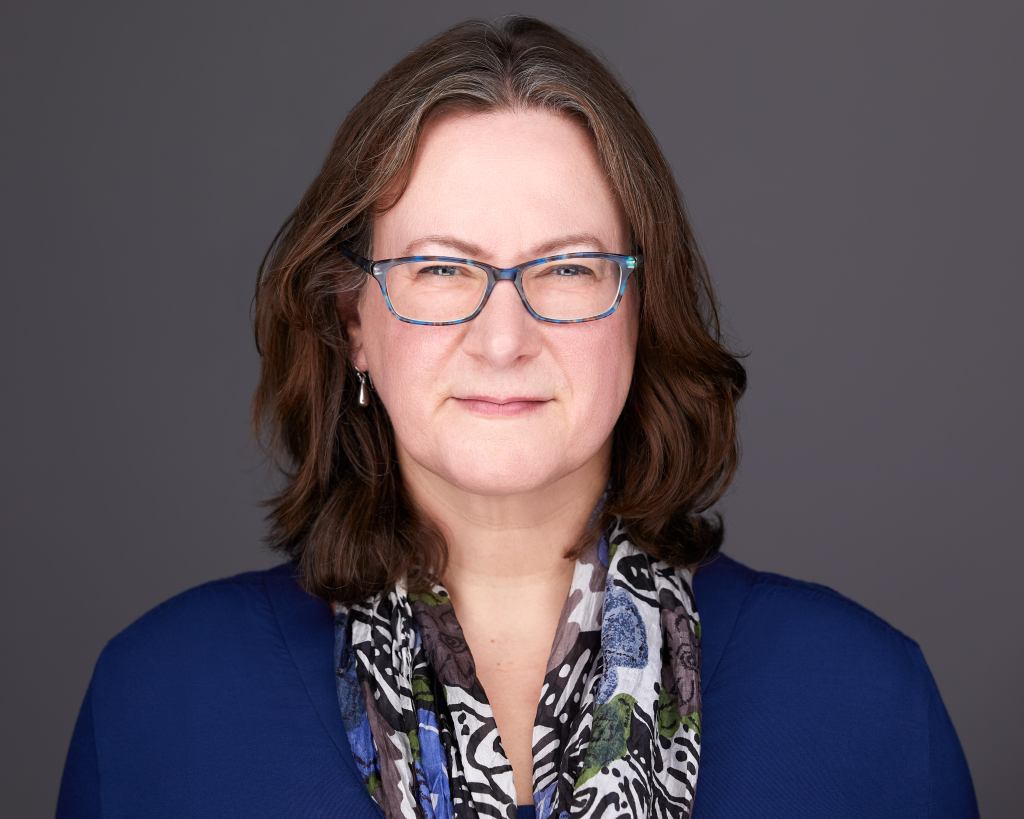
Photo: Michel N Co, San Jose, CA
How you can help
Due to the overwhelming amount of requests in the past, I will most likely not be able to respond to requests to help. But I have written a couple of How To guides so you can help me by doing the work yourself.
If you suspect plagiarism, here is a guide to some tools to use.
If you see a paper with potentially duplicated images, poorly analyzed data, shoddy methods, conflict of interest, etc., do not send it to me, but please post it on PubPeer. I have written a page on how to post your concerns there.
I also encourage you to write your concerns to the Editor in Chief of the journal in which the paper was published. I have written a How To page on how to do that.
Thank you for understanding!
Speaking opportunities and consultancy work
Although almost all of the work I tweet and post about is without compensation, I am also available as a research integrity consultant to investigate specific allegations of misconduct for research institutions and scientific publishers or to give a second opinion. I will honor any request for confidentiality.
I’d also be very happy to give a (virtual or in-person) seminar on my work as a research integrity volunteer, or on science misconduct in general. I ask for a speaker’s honorarium to cover my time.
My email address is eliesbik@gmail.com
Disclosures and conflicts of interest (2024)
As a science integrity consultant, I regularly do paid consultancy work – since 2019 – for several scientific publishers and research institutions around the world. Almost all these consulting cases are done under confidentiality agreements, so I cannot disclose the details about my clients or the cases I have investigated.
From 2019 on, I have received speaker fees for giving talks at several universities and institutions.
From 2021-2024, I was a member of the eLife Ethics Committee, for which I received an annual stipend.
From 2024 on, I am a Stanford Metric affiliate. This is an unpaid position, but comes with access to Stanford Library and other university tools, such as Eduroam.
I get free access to ImageTwin, Proofig, and iThenticate.
I do not own stocks or stock options from my previous employers, uBiome or Astarte Medical. I am an author on several uBiome (later: Psomagen) patents. I left uBiome in December 2018, and the company got raided by the FBI in April 2019. I was not involved in the suspected billing fraud, and I was never questioned by the FBI. While two uBiome founders have been charged with defrauding health insurance providers and investors, none of the uBiome employees have been indicted.
I have no financial or financial security ties (no stock options, no longs/short positions) to pharmaceutical, biotech companies, or charitable foundations.
I do have a Patreon account, and that does generate income for me. It is not tied to specific requests to investigate particular papers. Any contribution is welcome. Thank you.
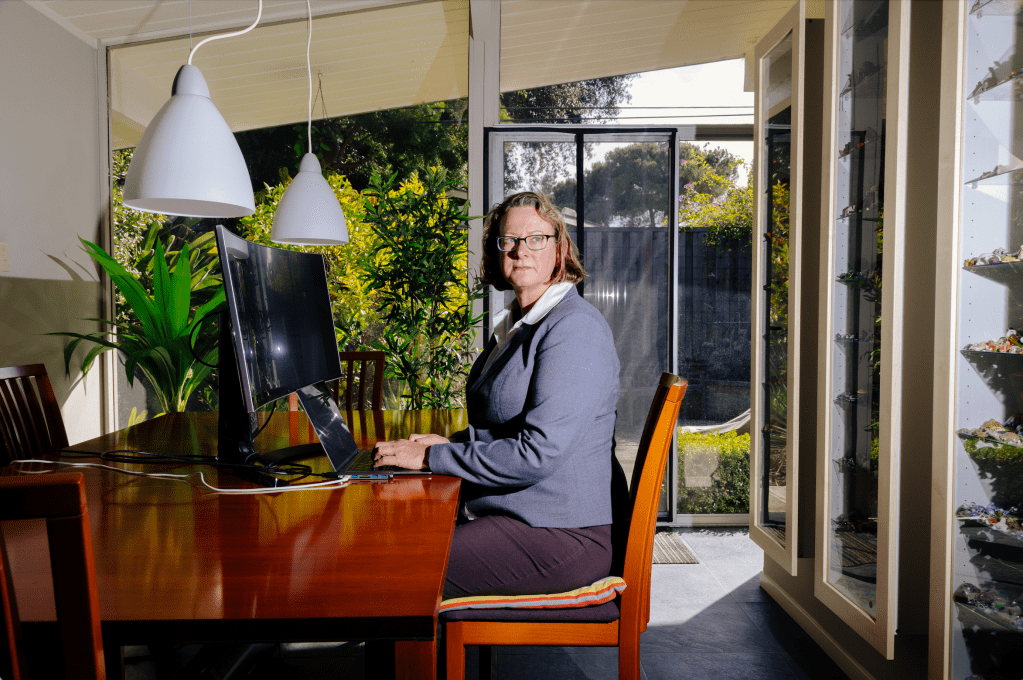
Selected press about my work
Sorted in chronological order, the most recent on top.
- Get this woman a TV show! – Elspet Kirkman – TikTok (November 2024)
- The Rise of the Science Sleuths – Jessica Wapner – Undark (September 2024)
- Legal threats, online trolls and low pay: the world of scientific sleuth Elisabeth Bik – Dalmeet Singh Chawla – Chemistry World (May 2024)
- Elisabeth Bik, expert in scientific integrity: ‘We need to slow down scientific publishing’ – Beatriz Olaizola – El Pais (April 2024)
- Q&A: The scientific integrity sleuth taking on the widespread problem of research misconduct – Deborah Balthazar – STAT news (February 2024)
- Addressing Scientific Misconduct: An Interview with Elisabeth Bik – Uduak Thomas – GEN Biotechnology (February 2024)
- [Video] This Scientist catches FRAUD in Harvard and Stanford Research – Pete Judo – YouTube
- How to catch a scientific fraud – Byrd Pinkerton – Vox (November 2023)
- Ethics in Science: An Interview with Dr. Elisabeth Bik – Sushmitha Vallabh – Association for Women In Science (October 2023)
- 2022: 100 People Transforming Business – Business Insider (November 2022)
- Science Has a Nasty Photoshopping Problem – Elisabeth Bik – New York Times (October 2022)
- Blots on a Field? Potential Fabrication Research Images Threatens Key Theory Alzheimer’s Disease – Charles Piller – Science (July 2022)
- Exclusive: investigators found plagiarism and data falsification in work from prominent cancer lab – Richard Van Noorden – Nature (July 2022)
- Fälschungen nimmt sie persönlich – Yannick Ramsel – Die Zeit (in German; July 2022)
- Misinformation fuelled by ‘tsunami’ of poor research, says science prize winner – Hannah Devlin – The Guardian (December 2021)
- Elisabeth Bik wordt geprezen én bedreigd om haar onderzoek naar wetenschappelijke fraude – Willem Schoonen – Trouw (in Dutch, October 2021)
- A Data Sleuth Challenged A Powerful COVID Scientist. Then He Came After Her. – Stephanie M Lee – BuzzFeedNews (October 2021)
- How a Sharp-eyed scientist became biology’s image detective – Ingfei Chen – The New Yorker (June 2021)
- World expert in scientific misconduct faces legal action for challenging integrity of hydroxychloroquine study – Melissa Davey – The Guardian (May 2021)
- The fight against fake-paper factories that churn out sham science – Holly Else & Richard Van Noorden – Nature (March 2021)
- Bay Area sleuth can spot your fake science – Lisa Krieger – Mercury News (July 2020)
- Meet this super-spotter of duplicated images in science papers – Helen Shen – Nature (May 2020)
- This Science Vigilante Calls Out Bogus Results in Prestigious Journals – Gemma Milne – OneZero Medium (November 2019)
- ‘Ik detecteer alleen maar de heel domme wetenschappers’; Elies Bik, microbioloog en waakhond – Sander Voormolen – NRC.nl (in Dutch; October 2019)
- Eye for Manipulation: A Profile of Elisabeth Bik – Adam Marcus, Ivan Oransky – The Scientist (May 2019)
- This Microbiologist Can Spot Your Fake Photos – Allen Murabayashi – PetaPixel (May 2019)
- A Scientist Keeps Claiming His Life Force Can Somehow Kill Cancer Cells, And Researchers Are Calling Him Out – Stephanie M Lee – BuzzFeed (May 2019)
- The Fraud Finder: A conversation with Elisabeth Bik – Sally Adee – The Last Word On Nothing (February 2019)
- Study: 35,000 Papers May Have Retraction-Worthy Image Duplication – Catherine Offord – The Scientist (July 2018)
- Meet the scientific sleuths: A dozen who’ve had an impact on the scientific literature – Ivan Oransky – Retraction Watch (July 2018)
- Dans les labos, des petits arrangements avec la science – David Larousserie – Le Monde / Le Temps (in French; September 2017)
- Years of Ethics Charges, but Star Cancer Researcher Gets a Pass – James Glanz and Agustin Armendariz – The New York Times (March 2017)
- One in 25 papers contains inappropriately duplicated images, screen finds – Cat Ferguson – Retraction Watch (April 2016)
- Problematic images found in 4% of biomedical papers. Giant survey suggests journals should pay more attention to detecting inappropriate duplications – Monya Baker – Nature News (April 2016)
- Veel geknoei met foto’s. Wetenschapsfraude. Dezelfde foto met een ander bijschrift, is dat een slordigheidje of bewuste misleiding? Het blijkt regelmatig voor te komen – Sander Voormolen – NRC (in Dutch; April 2016)
Selected podcasts about my work:
- The Rise of the Science Sleuths – Part 1 – Part 2 – Part 3 – Neurology Podcast (October 2024)
- A Conversation on Science Integrity, Image Forensics, and Publishing Fraud with Dr. Elisabeth Bik – Brady Holmer – Physiologically Speaking (March 2024)
- The data vigilantes – Byrd Pinkerton – Vox Unexplainable (November 2023)
- An Interview with Dr. Elizabeth Bik: Maintaining Integrity in Science – Suhanee Mitragotri – ConductScience (November 2023)
- Trust in Science: Episode 6 of the ISC Podcast Series on Freedom and Responsibility in Science in the 21st Century – Marnie Chesterton – International Science Council / Nature (June 2023)
- Podcast: Fighting scientific fraud: Elisabeth Bik on her experiences as a scientific integrity consultant – All Things SciComm – Cactus Communications / Editage Insights (June 2023)
- The Scientific Integrity Crisis with Dr. Elisabeth Bik – YouTube – Data Radicals (April 2023)
- The Microscopists interviews Elisabeth Bik [Podcast] – Youtube (July 2022)
- Podcast: Whistling At the Fake: The Value of Truth in Science – Dr. Dawn – What Does It Profit (March 2022)
- #25 Now you see it now you don’t – Dr. Elisabeth Bik is spotting scientific image manipulations – mAcademia Podcast – Elena Itskovich and Ofer Yizhar Barnea (February 2021)
- [Podcast] Image Duplication, Scientific Integrity, and the Microbiome with Dr. Elisabeth Bik – Science & Chill (January 2021)
- Episode 35 BEaTS Research Radio – Interview with Dr Elisabeth Bik -BEaTS . Apple Podcasts (August 2020)
- Science Fraud & Bias, Immunity to COVID-19 – Adam Rutherford – BBC Inside Science (July 2020)
- Talking Biotech Podcast 204 – Plagiarism and Image Manipulation in Scientific Publication – Kevin Volta – Talking Biotech (September 2019)
- PodCast Episode 51: Seeing Double – Elisabeth Bik – Parsing Science (June 2019)
- Seeing Double (with Elisabeth Bik) – Everything Hertz Podcast on Soundcloud, with Dan Quintana and James Heathers (December 2018)
What People Say
Dr. Elisabeth Bik has a remarkable natural ability to identify both image duplication and image manipulation through visual screening.
Prasad Ravindranath
Bik is a unicorn when it comes to her hobby. Few people have the patience to sift through thousands and thousands of articles looking for tiny discrepancies in figures. Fewer still will subject their retinas to such strain for free.
Adam Marcus, Ivan Oransky, Retraction Watch, for The Scientist
Elisabeth Bik is the champion spotter of duplicated or altered images
Debora Weber-Wulff
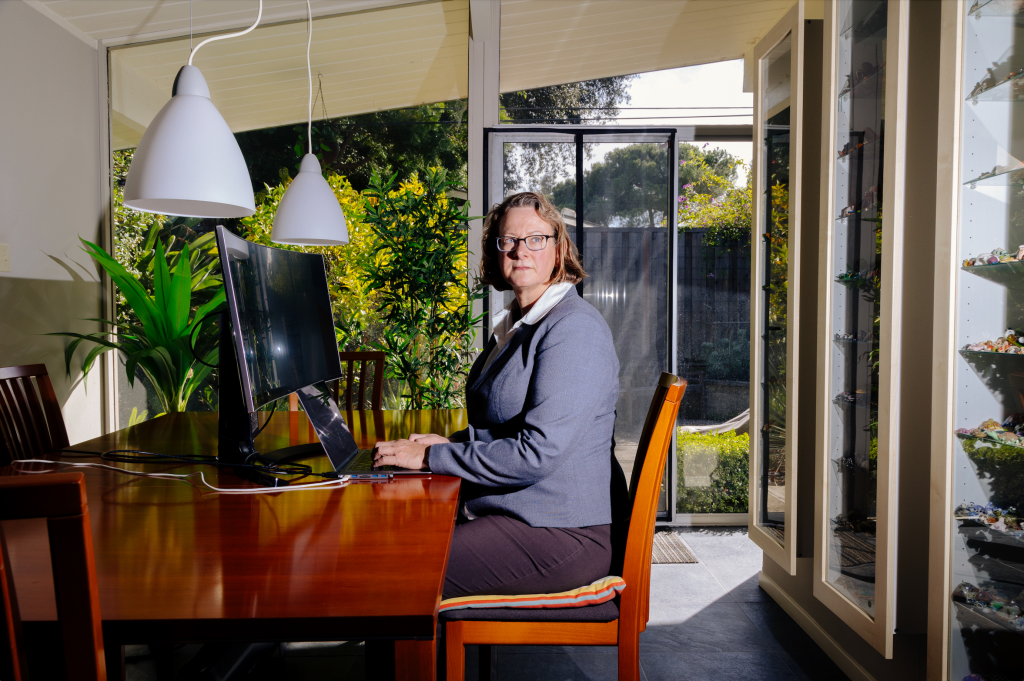
CREDIT: Clara Mokri for the Wall Street Journal

 Science Integrity Digest