“Patients with provocative entrail illness unclassified gave to crisis division a 3-day history of sickness, retching, migraine and irregular stomach torment alongside discontinuous ridiculous stools as of late.”
If you cannot wrap your brain around this sentence, don’t worry. Neither can I.
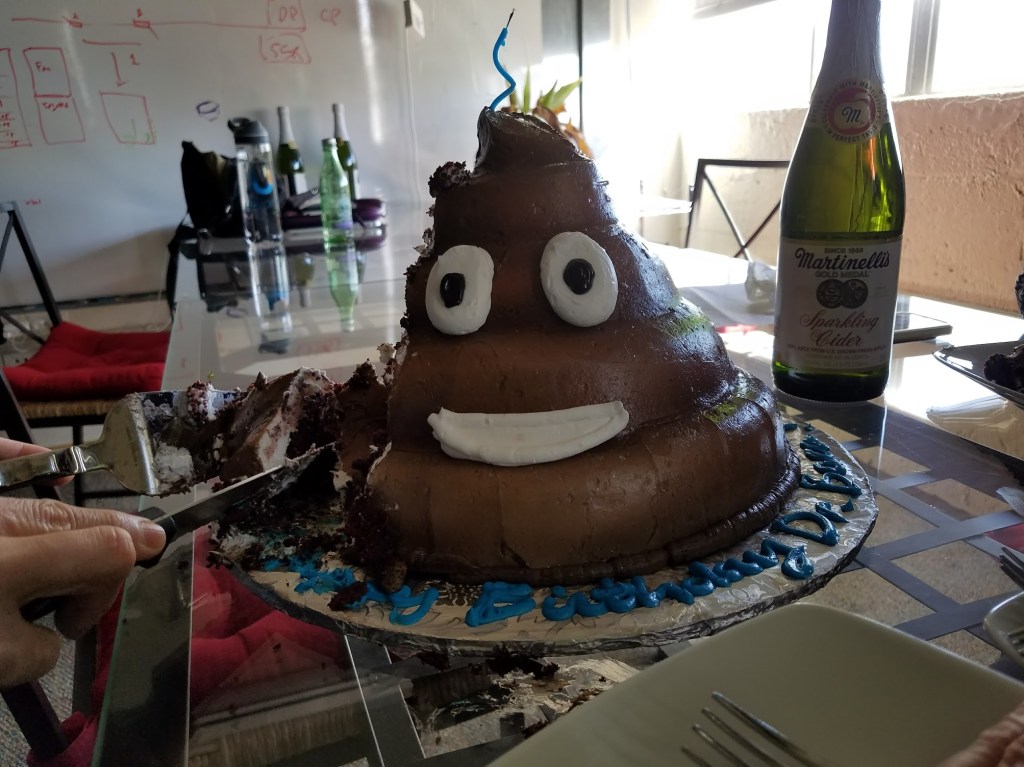
A photo of a very ridiculous stool: a poop-emoji cake, with big white googly eyes and twisted candles on top. Taken at uBiome headquarters, March 2017.
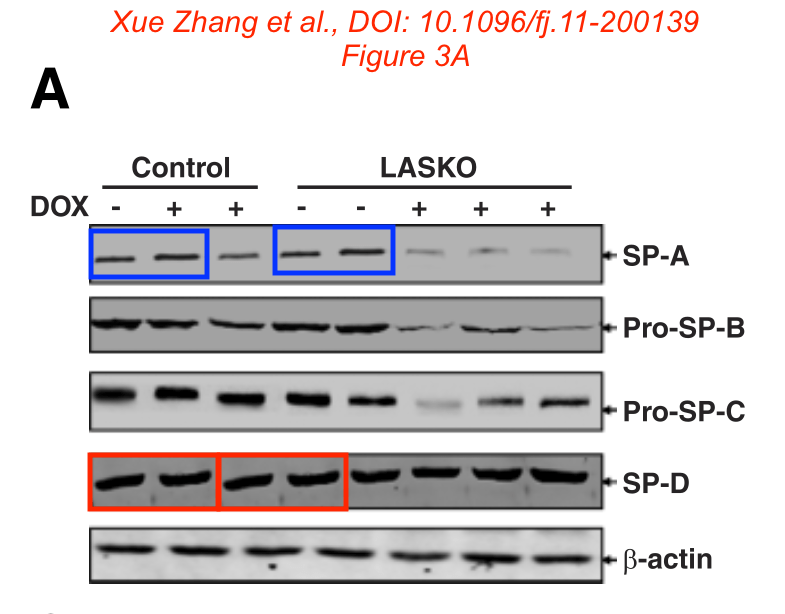
This post describes a set of over 20 papers with mostly image problems from the Department of Pharmacology at the School of Medicine of Zhejiang University in Hangzhou, China. All papers have Professor Ximei Wu as the common – and often corresponding – author. The Wu lab conducts research on stem cell and bone development, and their papers contain many images of Western blots and immunohistochemistry experiments.
Students and faculty of Boğaziçi University, a top university in Istanbul, Turkey, protested this week after the appointment of Melih Bulu as its new president (news coverage in English in The Guardian, The Times, and Bloomberg).
Bulu’s appointment was criticized as being more political than academic, because he is a close ally of Turkish President Erdogan. Critics also accused him of plagiarism in his published articles and PhD thesis. Bulu has a PhD in business management. During this week’s protests, his 2003 thesis suddenly disappeared from a Turkish repository site.
Here, I take a closer look at Bulu’s thesis to see if these accusations hold water.
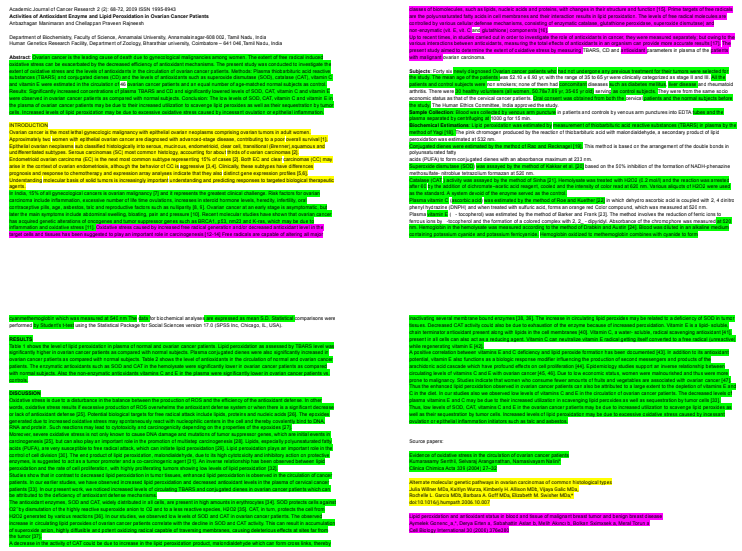
Two authors and a publisher found each other – and happily copy/pasted text from PhD theses written by others to pass it off as new review papers. Not once, not twice, but at least nine times.
Several readers have asked about plagiarism detection. So in today’s post I will talk about the tools I have been using, and some other tools that are available.